12 Facts About Wooden Pallets Sale That Will Inspire You To Look More Discerning Around The Cooler Water Cooler
The Rising Demand for Wooden Pallets: A Comprehensive Look at Their Sale
Recently, the demand for wooden pallets has actually risen substantially across numerous markets. As an essential component in shipping and storage, wooden pallets offer an effective service for transporting products in bulk. This article looks into the reasons behind the increasing sales of wooden pallets, the advantages they supply, and crucial considerations for companies aiming to purchase them.
Understanding Wooden Pallets
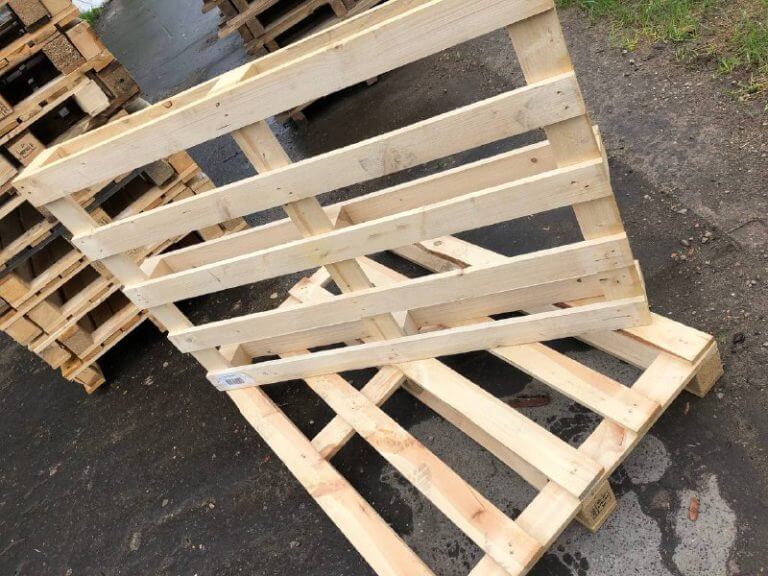
Wooden pallets are platform structures mostly made from wood that facilitate the handling of goods. They serve as a base for stacking, storing, and transporting items. The option of utilizing wooden pallets originates from their durability, cost-effectiveness, and sustainability when sourced responsibly.
Types of Wooden Pallets
Before purchasing wooden pallets, it's necessary to understand the various types readily available. The following table summarizes the main kinds of wooden pallets:
Type of Wooden Pallet
Description
Benefits
Disadvantages
GMA Pallets
Standardized pallets (48” x 40”) used extensively.
Uniformity; easy to stack; suitable with forklifts.
Limited to particular sizes; typically made from lower-quality wood.
Block Pallets
Including blocks for support instead of stringers.
Greater strength and resilience; appropriate for heavier loads.
Typically more expensive; may need more space.
Stringer Pallets
Made with parallel wooden pieces called stringers.
Light-weight; cost-efficient alternatives offered.
Less resilient; not perfect for heavier loads.
Euro Pallets
Standardized European design (1200 mm x 800 mm).
High-quality wood; market standard in Europe.
Not typically used in the U.S.; might require customized shipping.
Two-Way and Four-Way Pallets
Designating access points for forklifts.
Adaptability in transportation; simple handling.
May not be suitable for all types of machinery; can be more costly.
Why Choose Wooden Pallets?
When picking pallets for shipping and storage, wooden pallets stand apart for a number of factors:
- Durability: Wooden pallets can withstand considerable loads and are resistant to use and tear, making them perfect for bulk shipping.
- Cost-Effectiveness: Compared to other materials such as plastic or metal, wooden pallets are generally more affordable.
- Sustainability: When sourced responsibly, wooden pallets are ecologically friendly. They can be recycled into new pallets, furnishings, or used as biomass for energy.
- Customizability: Manufacturers can quickly personalize wooden pallets to meet particular size and design requirements.
- Relieve of Repair: Unlike plastic pallets, which may need replacement if harmed, wooden pallets can frequently be fixed at a lower expense.
The Marketplace for Wooden Pallets
The market for wooden pallets continues to grow, fueled by the increased needs of e-commerce, logistics, and retail sectors. According to learn more , the international wooden pallets market is projected to reach approximately ₤ 45 billion by 2026, driven by the increase in global trade and a flourishing shipping industry.
Key Factors Contributing to Growth
Numerous elements have significantly influenced the rising demand for wooden pallets:
- E-commerce Expansion: With the prevalent growth of online shopping, the requirement for efficient shipping options has surged, subsequently increasing the need for wooden pallets.
- Sustainability Trends: Consumers and businesses are progressively prioritizing eco-friendly practices, driving the wooden pallet market.
- Expense Efficiency: As businesses strive to cut costs, wooden pallets stay an affordable choice compared to alternatives.
Buying Wooden Pallets
When it comes to acquiring wooden pallets, businesses should think about a number of essential factors:
Factors to Consider
- Kind of Goods: The nature of the products to be delivered will affect the kind of wooden pallet required.
- Weight Capacity: It is essential to make sure that the pallet can handle the weight of the items being carried.
- Customized Requirements: Businesses with special needs might require tailored pallets.
- Source and Sustainability: Look for providers that prioritize sustainable sourcing of wood.
- Quality Standards: Ensure the pallets fulfill market requirements for quality and safety.
Top Suppliers for Wooden Pallets
When choosing a supplier for wooden pallets, services ought to think about reputable companies known for quality items. The following are some leading providers:
Supplier Name
Area
Specializeds
PalletOne
U.S.
Custom-designed pallets, repair work services.
CHEP
International
Pooling systems; cost-efficient services.
UFP Industries
U.S.
Wooden pallet production and recycling.
Millwood Inc.
. U.S. Custom pallets and cages throughout markets.
PalletTrader
U.S.
Online marketplace for buying/selling pallets.
Regularly Asked Questions (FAQs)
1. The length of time do wooden pallets last?
The life expectancy of a wooden pallet differs based on its use and maintenance but generally ranges from 3 to 10 years.
2. Can wooden pallets be recycled?
Yes, wooden pallets can be recycled and repurposed into numerous items, adding to a circular economy.
3. Are wooden pallets safe for food storage?
Wooden pallets can be used for food storage, provided they are treated and certified safe for such use. It is important to follow GBPA guidelines for food-grade pallets.
4. How should wooden pallets be kept?
To extend the lifespan of wooden pallets, store them in a dry area, avoid exposure to chemicals, and perform routine inspections for damage.
5. What is the average cost of a wooden pallet?
The expense of wooden pallets can vary from ₤ 10 to ₤ 50, depending on the type and size. Custom pallets may be more costly.
Wooden pallets play a crucial function in modern-day logistics, providing a useful and sustainable alternative for transferring products. As markets continue to expand and develop, the need for wooden pallets is most likely to rise. Businesses must stay informed about the various kinds of pallets readily available, choose dependable providers, and consider sustainability when making purchasing choices. Understanding the market dynamics can lead to better procurement strategies, ensuring effective and economical shipping services.
By making notified choices about wooden pallets, companies can boost their operational performance and contribute favorably to environmental sustainability.